By The Sutherlin Group
Jersey City, NJ, is one of the few places where a converted warehouse loft, a 19th-century brownstone, and a glass-and-steel waterfront high-rise can all exist within a few blocks of each other. That architectural variety is one of the things that makes this city so compelling — and it means the interior design styles that work best here are just as varied. Whether you have just bought a condo in the Powerhouse Arts District or a townhouse on a Hamilton Park side street, finding the right design direction makes a space feel intentional rather than assembled.
Key Takeaways
-
Jersey City's mix of property types lends itself to a wide range of design styles
-
The architecture of your home is the best starting point for choosing a direction
-
A few well-defined styles dominate Jersey City interiors right now, from modern minimalist to industrial to Japandi
-
Most great interiors borrow from two or three styles rather than committing rigidly to one
Modern and Minimalist
Modern design is one of the most natural fits for Jersey City, NJ, condos — particularly in high-rise buildings along the waterfront in Newport, Exchange Place, and around 99 Hudson. These buildings offer open floor plans, floor-to-ceiling windows, and clean architectural lines that do the heavy lifting. The job of modern design is not to fill the space — it is to edit it.
A minimalist approach takes that further. The focus is on fewer, better pieces: a low-profile sectional, an oversized light fixture, open shelving rather than heavy cabinetry. In Jersey City, NJ, condos where square footage is at a premium, minimalism makes rooms feel larger and more considered.
A minimalist approach takes that further. The focus is on fewer, better pieces: a low-profile sectional, an oversized light fixture, open shelving rather than heavy cabinetry. In Jersey City, NJ, condos where square footage is at a premium, minimalism makes rooms feel larger and more considered.
Key Elements of Modern and Minimalist Design
-
Neutral palettes — white, warm gray, greige, muted earth tones — with one or two deliberate accents
-
Furniture with clean lines and visible legs to keep the floor feeling open
-
Integrated or concealed storage to reduce visual clutter
-
Statement lighting as the primary decorative element
Industrial
Industrial design has deep roots in Jersey City, NJ, particularly in the Powerhouse Arts District and converted warehouse buildings through Downtown and Bergen-Lafayette. When a building's bones include exposed brick, steel beams, concrete floors, or original ductwork, an industrial aesthetic makes the most of those features rather than fighting them.
The style pairs raw materials — reclaimed wood, matte black metal, aged leather — with purposeful restraint. It is not about making a space feel unfinished. It is about letting the structure be part of the design.
The style pairs raw materials — reclaimed wood, matte black metal, aged leather — with purposeful restraint. It is not about making a space feel unfinished. It is about letting the structure be part of the design.
Key Elements of Industrial Design
-
Exposed brick, concrete, or steel left visible and celebrated
-
Warm wood tones — reclaimed or live-edge — to balance harder materials
-
Matte black or dark bronze fixtures and hardware throughout
-
Open metal or wood shelving, especially effective in kitchens and home offices
Transitional
Transitional design sits between traditional and modern — keeping the warmth of classic design while updating it with cleaner lines and simpler finishes. A tufted velvet sofa alongside a sleek marble coffee table is a transitional pairing. So is a classic millwork fireplace surround in a room with otherwise contemporary furniture.
For buyers who have moved from a more traditional home into a Jersey City, NJ, condo or townhouse, transitional design makes the shift feel cohesive. It also tends to perform well at resale — elevated without being niche.
For buyers who have moved from a more traditional home into a Jersey City, NJ, condo or townhouse, transitional design makes the shift feel cohesive. It also tends to perform well at resale — elevated without being niche.
Key Elements of Transitional Design
-
Neutral, layered palettes leaning warm — cream, taupe, soft greens, warm whites
-
Classic silhouettes updated with cleaner finishes and simpler hardware
-
Mixed textures: linen, velvet, wood, and stone used together without competing
-
Art as a focal point, often in muted tones or black and white
Japandi
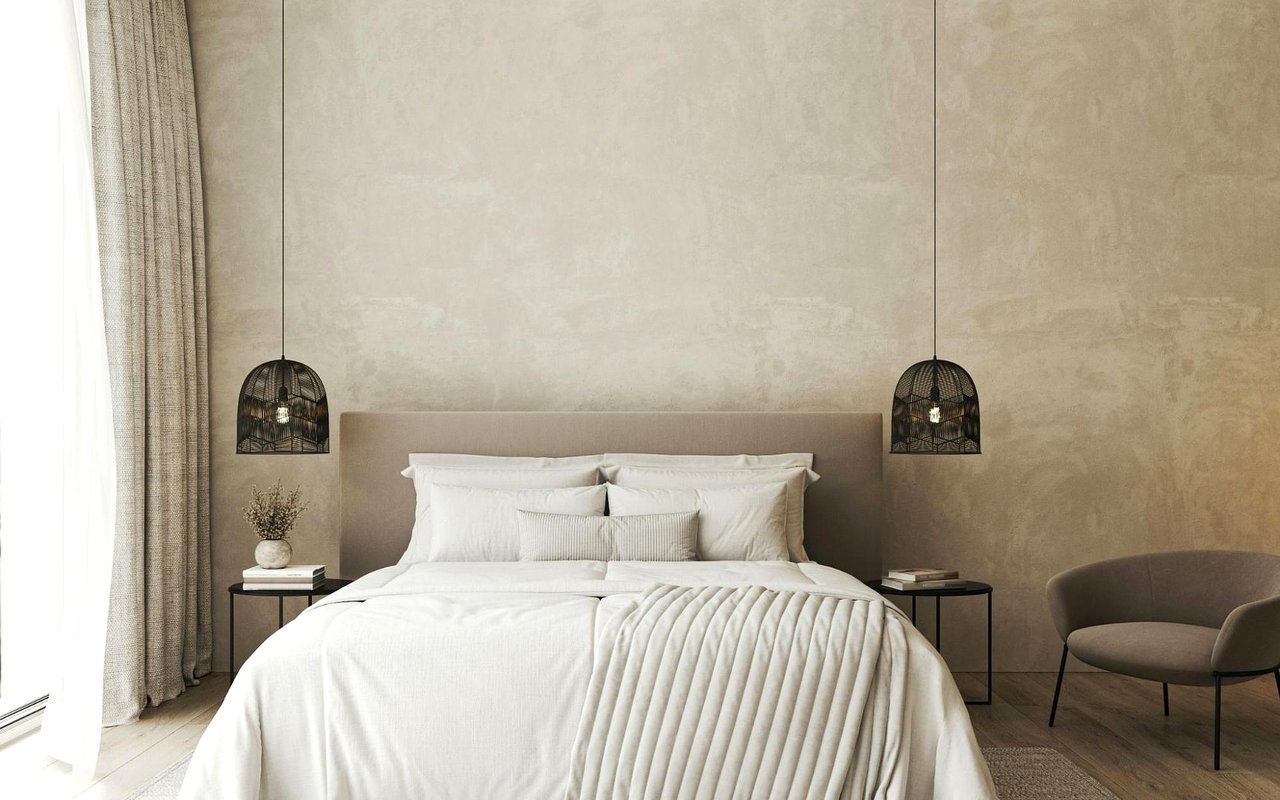
Japandi — the fusion of Japanese minimalism and Scandinavian design — has become one of the most relevant styles for urban buyers in Jersey City, NJ. It shares DNA with modern minimalism but adds more warmth: natural wood tones, handcrafted textures, and a palette of soft earth tones rather than stark white.
It works particularly well in smaller Jersey City, NJ, condos where the goal is calm and intentionality rather than bare minimalism. Japandi interiors feel lived-in and considered at the same time — a balance that also photographs extremely well.
It works particularly well in smaller Jersey City, NJ, condos where the goal is calm and intentionality rather than bare minimalism. Japandi interiors feel lived-in and considered at the same time — a balance that also photographs extremely well.
Key Elements of Japandi Design
-
Warm wood tones — light oak, walnut, bamboo — used throughout furniture and flooring
-
A muted palette of cream, warm beige, sage green, terracotta, and charcoal
-
Handcrafted pieces: ceramic vessels, woven textiles, natural fiber rugs
-
Low-profile furniture and a deliberate approach to what is displayed versus stored
Eclectic and Bohemian
Not every Jersey City, NJ, home needs to commit to a single design language. Eclectic and bohemian styles celebrate the layering of different periods, textures, and influences — done well, the result feels personal and visually rich rather than chaotic. These styles tend to work best in lofts, brownstones, and larger townhouses where a full collection has room to breathe.
The key is maintaining some underlying consistency — a shared color thread, a repeated material, a consistent scale — so the variety reads as curated rather than accidental.
The key is maintaining some underlying consistency — a shared color thread, a repeated material, a consistent scale — so the variety reads as curated rather than accidental.
Key Elements of Eclectic and Bohemian Design
-
Layered textiles: patterned rugs, woven throws, linen curtains, and embroidered pillows together
-
Vintage or found pieces mixed with new furniture rather than matched sets
-
Rich color — jewel tones, terracotta, warm ochre — used throughout rather than as accents only
-
Gallery walls that mix media, sizes, and subjects with a consistent thread running through
FAQs
How do I choose an interior design style for my Jersey City, NJ, home?
Start with the architecture. A high-rise condo with floor-to-ceiling windows naturally suits modern or minimalist design. A brownstone with original moldings and a fireplace may work better with transitional or eclectic choices that honor those existing details. Let the bones of the space point you in a direction and build from there.
Can I mix interior design styles in the same home?
Most great interiors do. The goal is not rigid adherence to one style but a clear point of view that ties the choices together. Mixing modern furniture with industrial fixtures or pairing a transitional sofa with bohemian textiles works as long as there is some consistency in color, scale, or material running through the room.
Does interior design style affect resale value in Jersey City, NJ?
It can. Spaces that feel cohesive and broadly appealing tend to show better and sell faster. Transitional and modern minimalist styles photograph well and appeal to the widest range of buyers. Highly personalized interiors can be harder for buyers to see past, even when the underlying property is strong.
Talk to Us About Finding the Right Home for Your Style
The right interior starts with the right property. We know Jersey City, NJ's, inventory across every neighborhood and property type, and we can help you find a home whose architecture and layout set you up for the design direction you have in mind. Reach out to us, The Sutherlin Group, and let's find the right fit.