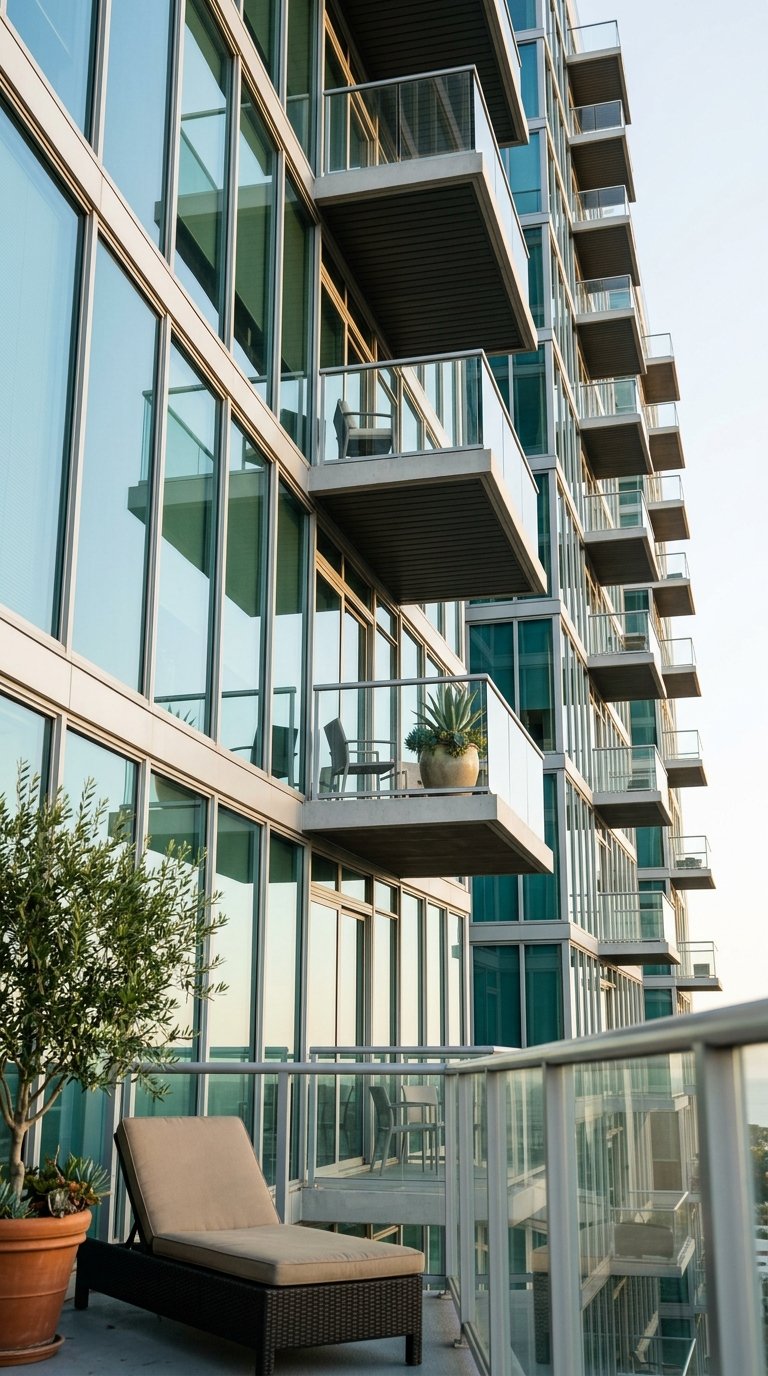
Thinking about buying on the Jersey City waterfront? A condo here can offer dramatic views, full-service amenities, and fast access to Manhattan, but two homes with the same bedroom count can feel very different in daily life and carry very different long-term value. If you want to buy with confidence, it helps to understand how views, transit, taxes, amenities, and future development all shape this micro-market. Let’s dive in.
Why the waterfront works differently
The Waterfront in Jersey City is not just another condo market. The Hudson River Waterfront Walkway is part of a larger public-access corridor described by NJDEP as spanning nine municipalities, with a planned length of more than 40 miles when complete.
That larger planning context matters when you buy. In this part of Jersey City, value is shaped not only by square footage, but also by sightlines, nearby parcel activity, and how your exact address connects to PATH, ferry service, and light rail.
Jersey City also maintains official planning tools including an interactive development map, zoning map, flood overlay map, and master plan resources. For you as a buyer, that means future development should be part of your condo review from the start, not something you look at after you go under contract.
View value starts with line and exposure
On the waterfront, not all views are equal. A unit’s line, floor, and exposure can have a major impact on both your day-to-day experience and future resale appeal.
At 77 Hudson, the official building site describes a 48-story tower with 420 residential units and panoramic views that may include the Manhattan skyline, the Hudson River, New York Harbor, the George Washington Bridge, and the Statue of Liberty. That range alone shows why broad terms like “water view” or “city view” are not enough when comparing units.
At 99 Hudson, the official site describes a 79-story tower with floor-to-ceiling windows and strong emphasis on skyline views. In a building like that, the premium you pay is often tied very specifically to what your windows face and how protected that outlook may be.
When you compare condos, focus on questions like these:
- What does the unit face today?
- What might be built nearby later?
- Is the best view from the living room, bedroom, or both?
- Does the floor height materially improve the outlook?
- Is the premium for the view likely to hold up at resale?
A smart waterfront purchase is often about choosing the right line, not just the right square footage.
Nearby development can affect future enjoyment
A beautiful current view does not always mean a protected future view. Because Jersey City’s waterfront is dense and actively planned, nearby development can change light, openness, and sightlines over time.
This is why the city’s planning and zoning tools matter so much. Before you buy, it is worth reviewing what surrounds the building, what the zoning allows nearby, and whether active development could affect your exposure.
For many buyers, this step can be the difference between feeling great about a premium purchase and later realizing that a key part of the home’s value was less secure than expected. On the waterfront, due diligence should include the block, the neighboring parcels, and the broader corridor.
Amenities should be judged carefully
Amenities are a major reason many buyers choose waterfront condo living. Pool access, fitness spaces, outdoor decks, business areas, and other features can add real convenience and lifestyle value.
But the real question is not just whether a building has amenities. You also want to know whether those amenities are exclusive to residents, shared with another building, limited by access rules, or simply features you may rarely use.
For example, 77 Hudson’s official site lists amenities that include a pool, hot tub, fitness center, yoga room, sauna and steam rooms, game room, golf simulator, business center, children’s playroom, dog park, and a shared outdoor deck with the neighboring building. That shared-deck detail is exactly the kind of building-specific nuance buyers should understand before they compare monthly costs.
99 Hudson’s official site highlights 65,000 square feet of resort-style amenities. A larger package can be appealing, but it should still be weighed against your actual lifestyle and carrying costs.
Questions to ask about amenities
- Which amenities are exclusive to residents?
- Are any spaces shared with another tower?
- Are there reservation rules or usage limits?
- Which amenities do you expect to use weekly?
- How do the amenities affect monthly common charges?
The goal is simple: pay for amenities that match how you actually live.
Building age changes the buying equation
An established building and a newer tower can each offer advantages. The difference is not automatically better or worse. It is about fit.
A building like 77 Hudson offers an established operating history and a known place in the local market. A newer tower like 99 Hudson may appeal to buyers who want a newer full-service product and a very large amenity scale.
As you compare options, think beyond finishes and first impressions. Ask how the building’s age, history, amenity package, and monthly carrying costs come together in a way that supports your goals.
Commute convenience is more local than it looks
Many buyers start by asking, “How fast can I get to Manhattan?” That is important, but on the waterfront, your daily routine is often shaped more by the walk from your lobby to your transit option than by the ride itself.
PATH remains a core link for much of the waterfront, with Exchange Place and Newport on the Newark to World Trade Center weekday schedule. NJ TRANSIT’s system map shows the Hudson-Bergen Light Rail connecting Bayonne and western Jersey City with Exchange Place, Newport Center, and Hoboken Terminal. NY Waterway says the Paulus Hook to Pier 11/Wall St route runs on weekdays during AM and PM commuter hours, and Paulus Hook Terminal is one block from the Bergen-Hudson Light Rail.
That means a few extra minutes on foot can matter more than buyers expect. A condo that gives you easier access to PATH, ferry service, or light rail may feel meaningfully more convenient over time, even if another building looks similar on paper.
Monthly costs need a full breakdown
Purchase price is only part of the story. On the Jersey City waterfront, two condos can appear close in price but have very different monthly carrying costs.
Jersey City says property taxes are based on assessed value and the tax rate, and the city’s Tax Collector handles both property-tax and abatement payments. New Jersey’s Division of Taxation states that abatements and exemptions are administered by municipalities, and that PILOT payments are not property taxes.
The New Jersey Department of Community Affairs municipal tax handbook notes that PILOTs can be structured as a percentage of total project cost or annual gross revenues. For you, the practical takeaway is that a waterfront condo may be under standard taxes, a temporary abatement, or a long-term PILOT, and that can materially change the monthly number.
Compare carrying costs line by line
When reviewing a condo, separate these items:
- Mortgage payment
- Common charges or HOA dues
- Property taxes or PILOT-related payments
- Any current special assessments
- Any known upcoming capital costs
- Flood insurance requirements, if applicable
This side-by-side view gives you a more accurate picture of affordability than the list price alone.
Special assessments and reserves matter
In amenity-rich towers, financial health is an important part of the purchase decision. A polished lobby and attractive gym do not tell you whether the building’s finances are strong.
The research report notes that condo and HOA dues are typically paid separately from the mortgage, and that recurring special assessments can count as mortgage-related obligations. It also notes that budgets, reserves, and special assessments are important parts of a condo financial review.
For you, that means it is worth looking closely at whether the building appears to be planning ahead for maintenance and capital needs. A lower monthly fee is not always the better value if it leads to larger costs later.
Flood review should be standard due diligence
Because you are buying on the waterfront, flood review should be part of your normal process. It is not a niche concern.
The research report identifies FEMA’s Flood Map Service Center as the official public source for flood-hazard information. It also notes that mortgages in designated Special Flood Hazard Areas generally require flood insurance.
At the state level, NJDEP’s Flood Indicator Tool adds an important point: flood risk can exist even outside official FEMA flood zones because FEMA maps are historical and may not fully reflect sea-level rise or stronger storms and rainfall. Jersey City also provides a Flood Overlay Map through its planning resources.
New Jersey sellers are required by law to provide flood-risk information to buyers. Even so, it is wise to review flood-related details carefully so you understand both current mapping and practical risk.
What a strong waterfront condo decision looks like
The best waterfront condo purchase is usually not the one with the flashiest marketing. It is the one where the full picture makes sense.
That picture includes the unit’s line, floor, and exposure, the likelihood of future view impact, the quality and exclusivity of amenities, the ease of your commute, the real monthly carrying costs, and the building’s broader financial position. When you separate those factors clearly, you can compare homes in a much more confident and practical way.
For buyers looking at complex, view-driven buildings in Downtown Jersey City, that level of detail matters. It helps you avoid overpaying for features that may not hold value and focus on the qualities that are most likely to support both daily enjoyment and resale.
If you want experienced, building-specific guidance as you compare waterfront condos, The Sutherlin Group can help you evaluate the details that truly drive value.
FAQs
What makes Jersey City waterfront condos a separate micro-market?
- Waterfront condos are shaped by a mix of view corridors, dense surrounding development, transit access, amenities, taxes, and flood considerations that can vary sharply from one address to the next.
Why do line and exposure matter in a Jersey City waterfront condo?
- Line and exposure affect what your home faces, how much light you get, the kind of view premium you are paying for, and how appealing the unit may be when you sell later.
How should you compare amenities in Jersey City waterfront buildings?
- Look beyond the headline list and ask whether amenities are resident-only or shared, how often you will use them, and how much they add to your monthly common charges.
What transit options serve The Waterfront in Jersey City?
- PATH serves key waterfront stops like Exchange Place and Newport, the Hudson-Bergen Light Rail connects major local hubs, and the Paulus Hook ferry provides weekday commuter service to Pier 11/Wall St.
Why can two Jersey City waterfront condos have different monthly costs?
- Monthly costs can differ because of common charges, special assessments, and whether the property is under standard taxes, a tax abatement, or a PILOT structure.
Should flood risk be part of buying a waterfront condo in Jersey City?
- Yes. Flood review is a standard part of waterfront due diligence because official flood zones, insurance requirements, and practical flood risk are all important to understand before you buy.