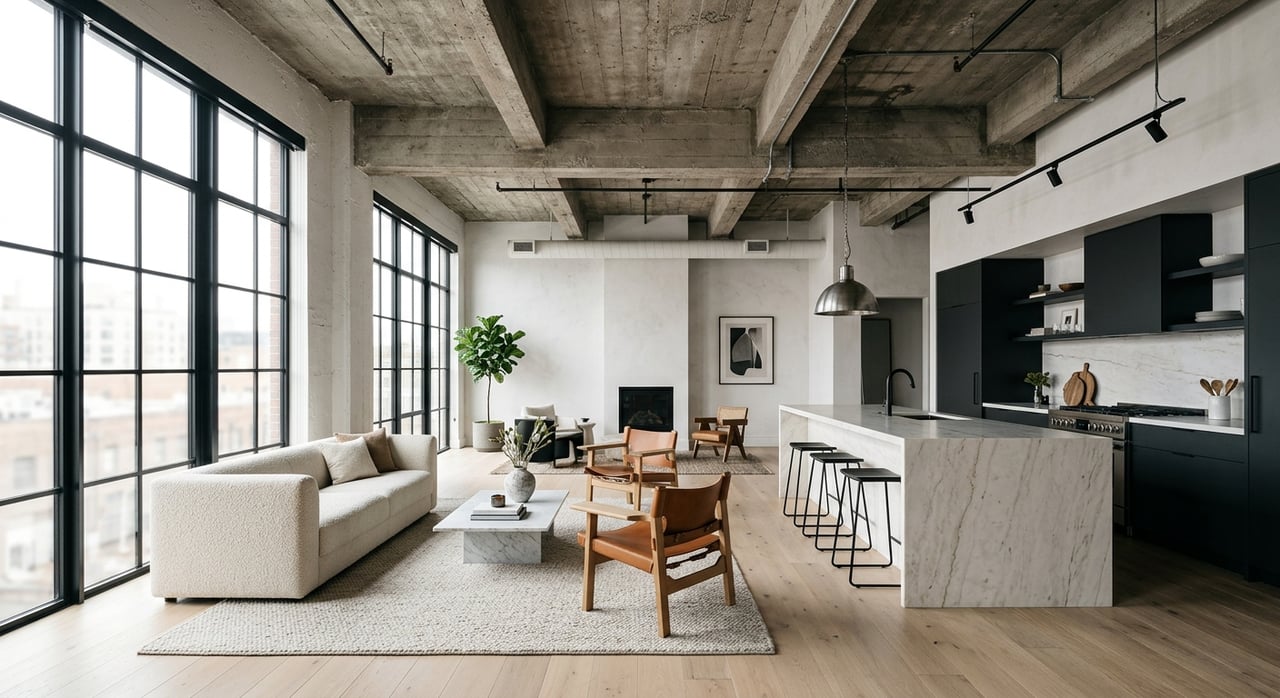
Looking for a home with character, light, and a little more breathing room than the typical condo? Jersey City’s Powerhouse Arts District offers a version of loft living that blends industrial roots with modern convenience. If you are weighing style, layout, amenities, and resale potential, this neighborhood gives you a lot to consider. Let’s dive in.
Why Powerhouse Feels Like a Loft District
The Powerhouse Arts District, often called PAD, was shaped by Jersey City’s work-live planning framework. The city’s redevelopment plan calls for a mixed-use neighborhood with arts, entertainment, culture, retail, and loft-style housing. It also aims to preserve the district’s historic industrial look while encouraging adaptive reuse, public art, and arts-focused destinations.
That planning history matters because the loft feel here is not accidental. It is part of the neighborhood’s identity. For you as a buyer, that means the area’s warehouse character, creative energy, and mixed-use streetscape are tied to an official long-term vision.
PAD also stands out because parts of its architectural character are protected. Jersey City identifies the Hudson & Manhattan Railroad Powerhouse, Butler Brothers Warehouse, and several A&P buildings as individual landmarks. In some landmark buildings, exterior work and certain alterations may require city review.
That layer of preservation helps explain why PAD can feel distinct from a typical new development zone. You are not just buying square footage. You are buying into a neighborhood where industrial architecture and adaptive reuse remain part of the experience.
What Loft Living Looks Like in PAD
Loft living in the Powerhouse Arts District is broader than many buyers expect. Some homes are in true warehouse conversions, while others are in newer buildings that borrow loft-style elements like taller ceilings, oversized windows, and open layouts. That means you will see real variety from one building to the next.
The city’s design rules for work-live units emphasize open, flexible floor plans, natural light, wide circulation, and practical details such as ventilation and sound muffling. The redevelopment plan generally calls for units of at least 900 square feet with minimum ceiling heights of 10 feet, although some newer high-rise contexts use 9-foot minimums.
In practical terms, loft inventory here can include:
- Studios
- One- to three-bedroom homes
- Dens and flexible-use layouts
- Duplexes and triplexes
- Penthouse-style residences
That range is a big reason PAD appeals to different types of buyers. You may want a compact one-bedroom with industrial details, or you may be searching for a dramatic duplex with double-height ceilings. Both can exist in the same district, but they deliver very different living experiences.
Ceiling Heights and Layouts to Expect
Ceiling height is often one of the first things buyers notice in a loft. In PAD, that can mean anything from a modern 9-foot ceiling in a newer building to soaring 20-foot ceilings in a duplex conversion. Those differences affect not just the look of a home, but also how it feels day to day.
Waldo Lofts offers a useful example of classic loft-style living in the district. Recent listings have shown homes with 10-foot ceilings, hardwood floors, floor-to-ceiling windows, stainless appliances, granite counters, and in-unit laundry. Another Waldo listing featured a duplex with about 1,686 square feet and 20-foot ceilings, showing how dramatic the range can be even within one building.
Cook Lofts at 140 Bay Street leans into industrial character with 11- to 12-foot concrete ceilings, oversized windows, exposed concrete or ductwork, hardwood floors, central air, and in-unit washer and dryer setups. By contrast, 151 Bay Street at Provost Square presents a more polished loft collection, with ceilings ranging from 11 to 13 feet and finishes such as white oak flooring, quartz counters, Bosch appliances, and refined cabinetry.
The Oakman is a more modern luxury take on the category. It uses loft-friendly features like oversized factory-style windows and 9-foot ceilings, but the overall feel is newer and more full-service. This is why it helps to define what you mean by loft living before you start touring.
Old-School Character or Newer Loft Style?
Not every buyer wants the same version of a loft. Some are drawn to rawer materials, warehouse proportions, and visible industrial details. Others want the openness and light of a loft, but with newer finishes, more polished common areas, and a larger amenity package.
In PAD, you can find both ends of that spectrum. Boutique conversions may offer more intimate scale and stronger industrial identity. Larger newer buildings may offer loft-inspired layouts with a more turnkey lifestyle.
A building’s size also shapes the experience. Waldo Lofts is a smaller-scale building compared with larger projects like The Oakman or 151 Bay Street. That difference can affect everything from privacy and traffic flow to staffing levels and shared amenity use.
Amenities and HOA Costs
One of the biggest differences between PAD buildings is the amenity package. Some loft buildings keep things simple with a roof deck, gym, or bike storage. Others offer a more service-driven lifestyle with a concierge, pool, valet parking, lounges, and play spaces.
Under New Jersey law, condo associations manage common elements, collect common expenses, and maintain insurance for shared areas. That is why monthly HOA or common charges often reflect more than basic upkeep. They are tied to the overall building operation, including staffing, amenities, parking, and maintenance needs.
Here is the practical takeaway: a higher monthly charge may support a more full-service living experience, while a lower-service building may have a different budget structure and ownership feel. Neither is automatically better. It depends on how you value convenience, services, and the building’s long-term maintenance profile.
For example, Waldo Lofts has advertised features such as a fitness center, package room, bike storage, secure key-fob access, and an on-site superintendent. Cook Lofts is described as an elevator building with an industrial lobby and landscaped roof deck, while a recent listing showed HOA dues of $781 per month. At the more amenity-rich end, 151 Bay Street and The Oakman offer features like attended lobby service, pool access, resident lounges, fitness centers, parking, and additional service-oriented amenities.
Soundproofing Matters More Than You Think
Lofts are often loved for open space, hard surfaces, large windows, and industrial materials. Those same features can also make acoustics more noticeable. If you are buying in PAD, sound control should be part of your due diligence.
Jersey City’s redevelopment plan specifically requires sound muffling in walls, floors, and ceilings between work-live units and between those units and other uses. That is a strong starting point, but individual buildings and specific homes can still vary in how sound travels.
When touring a loft, it is smart to ask questions like:
- Where are the bedrooms placed within the floor plan?
- Have there been acoustic upgrades?
- How much original industrial material was retained?
- Are there neighboring commercial or mixed-use spaces nearby?
- What is above, below, and beside the unit?
These details can shape your day-to-day comfort in ways that photos cannot show. In a loft setting, layout is not just about style. It is also about function.
Resale Potential in the Powerhouse Arts District
From a resale standpoint, PAD has a compelling story. The neighborhood combines adaptive-reuse character, arts-and-culture identity, walkability, and strong PATH access. For many buyers, especially NYC relocators, that mix creates a clear lifestyle alternative to Brooklyn while keeping Jersey City’s own identity front and center.
Still, resale value is never just about the neighborhood name. In PAD, specific unit factors can make a major difference. Ceiling height, line, exposure, layout, monthly HOA, parking access, and any tax advantages can all affect future buyer demand.
That is where hyperlocal guidance becomes especially useful. Two homes in the same district can perform very differently depending on building type and carrying costs. A dramatic duplex in a boutique conversion will attract one type of buyer, while a high-floor loft-style condo in a full-service building may appeal to another.
What Buyers Should Ask Before Buying
If you are serious about loft living in the Powerhouse Arts District, it helps to go beyond finishes and staging. A beautiful open room is only part of the picture. The smarter questions usually relate to how the space works over time.
Here are a few key areas to review:
- Ceiling height and light: Does the home feel open because of true volume, or mainly because of staging and window placement?
- Layout flexibility: Is there room for a home office, dining area, or guest space without forcing the plan?
- Acoustics: How well separated are sleeping areas from common walls, elevators, or active streets?
- Amenities: Are you paying for features you will actually use?
- Monthly costs: How do HOA charges, parking, and possible tax benefits affect your real monthly budget?
- Building rules: If the home is in or near a landmarked building, will planned changes require city review?
These questions can help you compare loft options more clearly. They also help you avoid treating every exposed beam or tall window as equal when the ownership experience may be very different.
Why Hyperlocal Guidance Helps
PAD is a neighborhood where details matter. Loft living here is not one-size-fits-all, and the differences between a warehouse conversion and a loft-inspired tower can be meaningful. The right fit depends on your priorities, your budget, and how you plan to use the space.
If you want help sorting through layouts, amenities, carrying costs, and long-term resale considerations in Downtown Jersey City, The Sutherlin Group can help you evaluate the details that matter most.
FAQs
What makes the Powerhouse Arts District feel like a loft neighborhood?
- Jersey City’s redevelopment plan was designed to create a mixed-use district with arts, culture, retail, and loft-style housing, while preserving the area’s historic industrial appearance.
What ceiling heights can you find in Powerhouse Arts District lofts?
- Ceiling heights vary by building and unit, but examples in the district range from about 9 feet in some newer buildings to 20 feet in certain duplex lofts.
What types of loft layouts are available in the Powerhouse Arts District?
- Buyers may find studios, one- to three-bedroom homes, dens, duplexes, triplexes, and penthouse-style layouts depending on the building.
Why do HOA fees vary in Powerhouse Arts District buildings?
- HOA costs are shaped by the building’s common expenses, which can include staffing, amenities, shared-area maintenance, insurance, and parking-related operations.
What should buyers ask about soundproofing in Powerhouse lofts?
- Buyers should ask about wall, floor, and ceiling sound control, bedroom placement, nearby mixed-use activity, and whether any acoustic upgrades have been made.
Do landmarked buildings in the Powerhouse Arts District have added rules?
- Yes. In or near certain landmark buildings, exterior work and some alterations may require city review before construction begins.