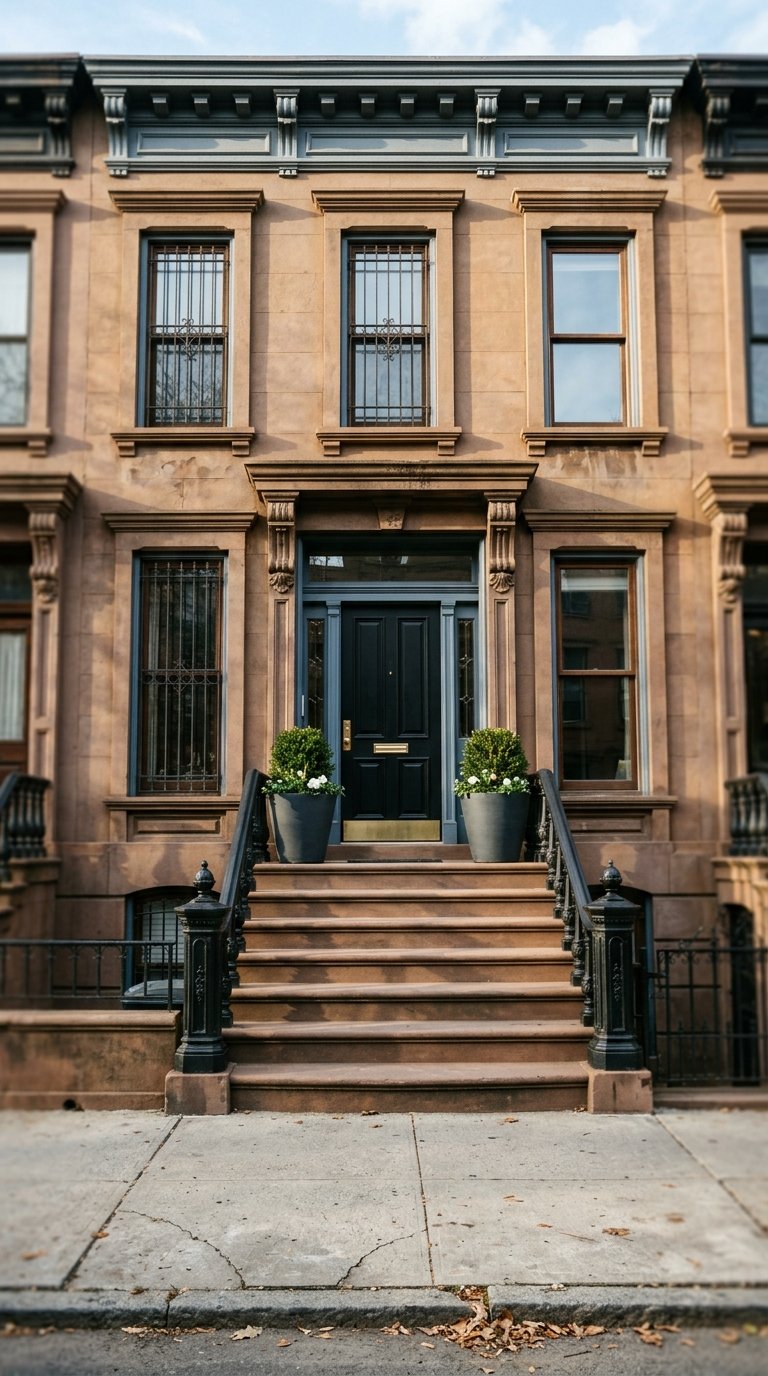
If you are getting ready to sell a Van Vorst Park brownstone, you are not just listing a home. You are presenting a historic property in a neighborhood where buyers notice details, condition, and character right away. The good news is that the right prep can help your home stand out without stripping away what makes it special. Let’s dive in.
Why brownstone prep matters here
Van Vorst Park sits within one of Jersey City’s local historic districts, where the streetscape is shaped by 19th-century rowhouses, shared cornice lines, stoops, red-brick facades, and distinct entry details. That means your brownstone is being viewed in the context of a highly recognizable architectural setting.
It is also a market where presentation matters. In February 2026, Van Vorst Park had a median home price of $662,500, 45 homes for sale, 32 median days on market, and a 98% sale-to-list ratio. Those numbers point to a balanced market, which usually means buyers are comparing condition and pricing carefully.
Start with preservation rules
Before you tackle pre-sale updates, understand the local historic review process. Jersey City states that development, construction, alteration, rehabilitation, or repair within a local historic district requires a Certificate of No Effect or Certificate of Appropriateness before work begins, even in cases where a construction permit is not required.
That does not mean you cannot prepare your home for market. It means your prep plan should be thoughtful, preservation-aware, and focused on repairs that respect the building’s visible character.
Repair before you replace
Jersey City’s preservation guidance is clear on this point. Deteriorated historic features should be repaired rather than replaced when possible, and if replacement is necessary, materials should match the original in composition, design, color, texture, and visual quality.
For sellers, this is an important mindset shift. A brownstone does not usually benefit from fast cosmetic swaps that look out of place. Buyers in this part of Jersey City often respond best when original details feel cared for, not covered over.
Avoid shortcuts that hurt curb appeal
Some common exterior “upgrades” can actually work against you in a local historic district. Jersey City’s guidelines discourage vinyl or aluminum siding on historic masonry facades and do not permit those materials on masonry buildings.
The city also discourages imitation stone or brick facings. If your goal is to make the exterior look fresh, focus on cleaning, repairing, and preserving rather than trying to modernize the facade with incompatible materials.
Be careful with exterior cleaning
A dirty facade can make a home feel neglected, but harsh cleaning is not the answer. Jersey City’s preservation guidance says exterior cleaning should use the gentlest means possible, and sandblasting or similarly damaging methods should not be used.
That matters because overcleaning can damage historic masonry and trim. If you are freshening the front of the house before photos or showings, gentle cleaning and targeted repairs are the safer path.
Treat windows as character features
Historic windows carry a lot of visual weight in a brownstone. Guidance cited in the research report notes that historic windows should be retained and repaired when possible, and if replacement is unavoidable, the new windows should remain compatible with the building’s historic character.
Jersey City also requires documentation for window replacement, including photographs, dimensioned drawings, and finish samples. So if your windows need attention, this is not a last-minute listing project. It is something to evaluate early and handle carefully.
Focus on high-impact exterior prep
Curb appeal matters in every market, and it matters even more when buyers arrive at a stoop-front historic home. According to the research report, 97% of Realtors believe curb appeal is important in attracting a buyer, and 92% recommend improving curb appeal before listing.
For a Van Vorst Park brownstone, that usually means concentrating on the areas buyers see first.
Prioritize the stoop and entry
Your stoop, railings, entry door, and front walk set the tone for the showing. If they feel clean, solid, and well maintained, buyers walk in expecting the rest of the home to be just as cared for.
A few worthwhile prep items may include:
- Cleaning the front walk and stoop with gentle methods
- Repairing loose or worn trim where appropriate
- Refreshing paint in a historically appropriate palette
- Tidying railings and entry hardware
- Cleaning up planting beds and container planters
These are not dramatic changes, but they can create a strong first impression.
Refresh interiors without rewriting the home
Inside the home, buyers want a space that feels clean, bright, and easy to picture themselves in. The most effective updates are often selective, not sweeping.
The 2025 Remodeling Impact Report cited in the research report says Realtors most often recommend painting the entire home, painting a single interior room, and installing new roofing before listing. It also notes increased demand for kitchen upgrades and bathroom renovations.
Use paint strategically
Fresh paint is one of the simplest ways to make a brownstone feel more polished. In a historic home, the goal is not to erase the architecture. It is to create a calm backdrop that helps original moldings, ceiling height, windows, and room proportions shine.
A clean, restrained palette can also help the home photograph better. That matters because buyers often form their first impression online.
Choose selective kitchen and bath updates
You do not always need a full renovation to improve market appeal. In many brownstones, a targeted refresh can go a long way if the layout and architectural character already work.
Depending on condition, that may mean cleaning and repairing rather than replacing, updating worn finishes, or improving lighting and styling. The key is to make kitchens and baths feel maintained and functional without turning your pre-listing plan into a major construction project.
Stage for light, scale, and character
Staging has a measurable impact on how buyers respond to a home. The 2025 Profile of Home Staging found that 83% of buyers’ agents said staging made it easier for buyers to visualize the property as a future home.
For brownstones, staging is especially useful because these homes often have distinctive room sizes, tall windows, detailed trim, and strong architectural lines. Good staging helps buyers understand how to live comfortably in the space while still appreciating its history.
Stage the rooms that matter most
The same staging report identified the living room, primary bedroom, and kitchen as the most important rooms to stage from a buyer’s perspective. Sellers’ agents also frequently stage the dining room.
If you are prioritizing your budget, start there. In many cases, thoughtful staging in just a few key rooms can lift the whole presentation.
Let the architecture lead
In Van Vorst Park, buyers are often looking for details they cannot find in a standard property. That may include moldings, tall windows, exposed brick, entry details, or original proportions.
Your staging should support those features, not hide them. A strong approach often includes:
- Removing visual clutter
- Using smaller-scale furnishings when rooms are narrow
- Keeping layouts open and easy to walk through
- Highlighting natural light
- Avoiding decor that competes with historic details
The goal is to make the home feel edited, spacious, and inviting.
Follow the right prep order
When you are preparing a historic brownstone, the sequence matters. A practical approach from the research report is to preserve first, repair second, stage third, and photograph last.
That order helps you avoid wasted effort. It also reduces the chance of doing cosmetic work before preservation-sensitive issues are resolved.
Photograph only when everything is ready
The staging report found that buyers’ agents considered photos, physical staging, videos, and virtual tours important marketing tools. That makes timing important.
Do not rush photography before the home is fully cleaned, staged, and exterior-ready. Once your listing goes live, your visual presentation should already reflect the strongest version of the property.
Price with discipline
Even a beautifully prepared brownstone needs realistic pricing. Van Vorst Park’s 98% sale-to-list ratio and 32 median days on market suggest a market where buyers are paying attention to value, not simply chasing every listing.
Jersey City overall showed similar balanced conditions in March 2026, with a $699,000 median listing price and 34 median days on market. In this kind of environment, precise pricing matters just as much as smart presentation.
Let condition shape value
Two homes on similar blocks can perform very differently based on condition, layout, and presentation. For a brownstone seller, that means your prep work can support pricing, but it should not justify overpricing.
The strongest strategy is to price against current comparable sales and the actual condition of your home. Emotional value may be real to you, but buyers will compare your property to what else is available right now.
Start earlier than you think
Selling a historic home usually takes more lead time than selling a standard apartment. The research report notes that many sellers begin thinking about selling 3 to 4 months before listing, and that timeline makes sense here.
A brownstone often needs extra coordination for preservation-sensitive repairs, exterior cleanup, staging, and photography. If you want to enter the spring market in strong shape, it helps to begin planning well before that window opens.
Why timing still matters
National timing studies in the research report point to late spring as a strong listing window, but the bigger lesson is not to chase one exact week. The better move is to finish your prep before demand picks up.
That way, you are not making rushed decisions on paint, repairs, or pricing. You are launching from a position of control.
What matters most before you list
If you want a simple way to think about pre-sale prep, keep your focus on the basics that make the biggest difference.
For most Van Vorst Park brownstone sellers, the winning formula is this:
- Preserve historic character
- Repair visible wear
- Improve curb appeal
- Stage key rooms
- Photograph after prep is complete
- Price against current local comps
That approach fits both the neighborhood and the current market. It also helps your home stand out for the right reasons.
If you are thinking about selling a brownstone in Downtown Jersey City, working with a team that understands presentation, pricing, and neighborhood nuance can make the process much clearer. The Sutherlin Group brings deep local experience, design-aware marketing, and hands-on guidance to help you prepare and position your home with confidence.
FAQs
What prep matters most for a Van Vorst Park brownstone before listing?
- The biggest priorities are preserving historic character, repairing visible wear, improving curb appeal, staging the main rooms, and pricing the home based on current local comparables.
Do historic district rules affect brownstone updates in Van Vorst Park?
- Yes. Jersey City states that work in a local historic district may require a Certificate of No Effect or Certificate of Appropriateness before work begins, even when a construction permit is not required.
Should you replace old windows before selling a Van Vorst Park brownstone?
- Not automatically. Historic guidance says windows should be retained and repaired when possible, and replacement should be compatible with the home’s historic character if it becomes necessary.
Which rooms should you stage in a Jersey City brownstone?
- The highest-priority rooms are typically the living room, primary bedroom, and kitchen, with the dining room also often worth staging.
How far in advance should you prepare a Van Vorst Park brownstone for sale?
- A good planning window is several months before listing, since historic-home repairs, staging, and photography often take longer than a standard pre-sale refresh.